




How do you analyze Flutterwave payments in Metabase?
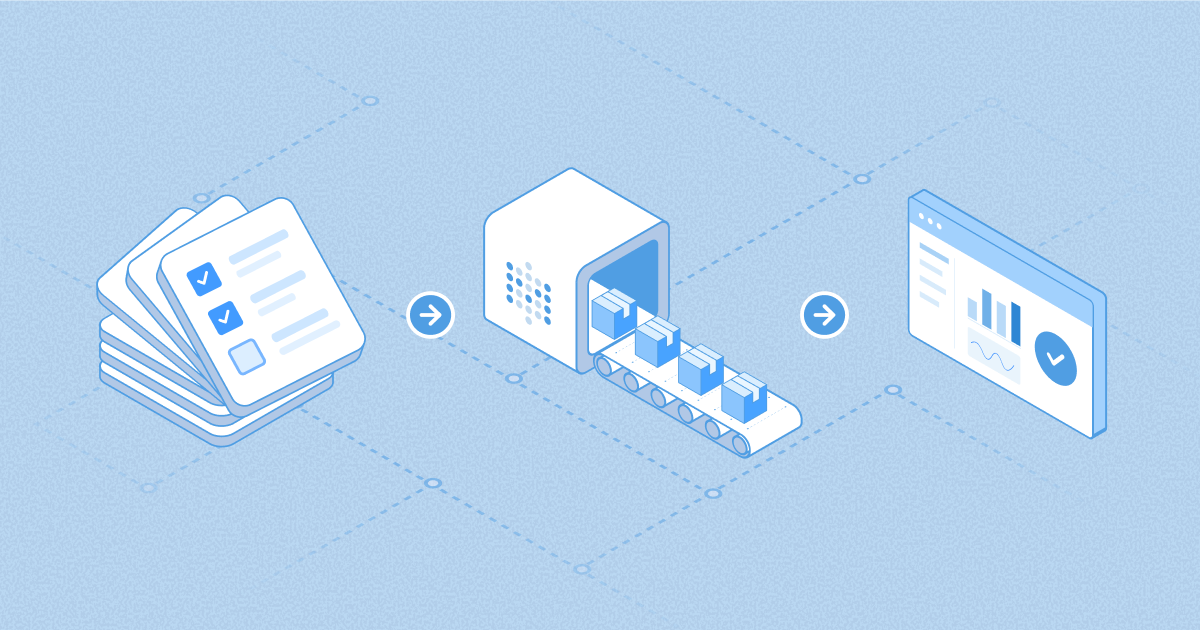
Flutterwave analytics turns finance operations into shared, queryable models. Flutterwave supports payments, transfers, wallets, and settlements across currencies and local methods. In Metabase, transaction and settlement data can reveal channel performance, cash delivery, fee leakage, and reconciliation exceptions. Metabase connects to the database that holds the synced data; it does not connect natively to Flutterwave.
How do you connect Flutterwave to Metabase?
Explore a scoped snapshot quickly
The community mcp-flutterwave package supports transaction lookup and many write-capable payment tools against Flutterwave v3. Enable only the read_transaction tools for analysis and use the official API for scheduled ingestion. Pair the approved server with the Metabase CLI to load a focused CSV as a table and model.
- Quick questions about Flutterwave data
- Validating fields and dashboard ideas before building a pipeline
- Loading a minimal, permissioned snapshot into Metabase
- A CSV is a point-in-time snapshot, not governed reporting
- Finance data needs least-privilege credentials and an explicit tool allowlist
- Move recurring dashboards to the warehouse-backed route
Durable dashboards with history
Use Flutterwave's APIs and verified webhooks to sync transactions, settlements, transfers, refunds, and chargebacks. Keep sandbox and production records separated and model settlement as its own lifecycle.
- Recurring finance and leadership dashboards
- Historical aging, lifecycle, and period reporting
- Joining finance data with sales, product, and operations data
- Requires a destination database and maintained sync
- You own currency, status, accounting period, and reconciliation definitions
- Every modeled total should reconcile to the source system
What can you analyze from Flutterwave?
- Payment success by method, country, and currency
- Settlement status and lag
- Collection and payout balances
- Fees, refunds, and chargebacks
- Transaction-to-settlement reconciliation
Which Flutterwave dashboards should you build in Metabase?
Finance overview
A compact view of cash, exposure, and operating performance.
- Payment volume and success
- Settled amount
- Collection vs. payout balance
- Fees and chargebacks
Operations
The work that needs attention before the next close.
- Flagged settlements
- Failed payments
- Pending transfers
- Refund and chargeback queue
Controls and reconciliation
Find exceptions before they become close surprises.
- Successful payments not settled
- Settlement destination exceptions
- Duplicate references
- Webhook and API freshness
Planning and trends
Compare actuals with the plan and explain the variance.
- Method and country mix
- Settlement forecast
- Fee-rate trend
- Cross-border volume
How do you use Flutterwave MCP with the Metabase CLI?
The Flutterwave API MCP server is a community MCP option for AI-assisted exploration. The community mcp-flutterwave package supports transaction lookup and many write-capable payment tools against Flutterwave v3. Enable only the read_transaction tools for analysis and use the official API for scheduled ingestion. The Metabase CLI can then upload a sanitized CSV and create a ready-to-query table and model.
- Start with a narrow read-only question and the minimum required objects.
- Remove secrets, bank details, and personal fields before exporting.
-
Use
mb upload csvfor a first snapshot andmb upload replacefor a controlled refresh. - Move to an API or connector sync when the dashboard becomes recurring.
How do you set up Flutterwave MCP and the Metabase CLI?
Flutterwave API MCP server community
- Data source
- Flutterwave API
- Auth
- Bearer access token or secret key stored server-side
- Access
- Read-only, least privilege
- Use for
- Exploration and scoped exports
Metabase CLI official
- Install
npm install -g @metabase/cli- Auth
mb auth login- Load data
mb upload csv --file data.csv- Requires
- An uploads database in Metabase
{
  "mcpServers": {
    "flutterwave": {
      "command": "npx",
      "args": [
        "-y",
        "mcp-flutterwave",
        "--tools=read_transaction,read_transaction_with_reference,read_transaction_timeline"
      ],
      "env": { "FLW_SECRET_KEY": "your-secret-key" }
    }
  }
}# Install the Metabase CLI
npm install -g @metabase/cli
# Log in (opens your browser; requires Metabase v62+)
mb auth login --url https://your-metabase.example.com
# Load a scoped Flutterwave export - creates a table and a model
mb upload csv --file flutterwave-export.csv --collection "Finance & Accounting"
# Refresh the same table later
mb upload replace <table-id> --file flutterwave-export.csvCan you generate a Flutterwave finance dashboard with AI?
Yes. Use the prompt below with an assistant that can access an approved data route and the Metabase CLI. It tells the assistant to inspect the real schema, reconcile totals, and skip cards that the available data cannot support.
Create a polished Metabase dashboard for Flutterwave finance analytics.
Work end to end: find existing modeled data first; if none exists, load a minimal
read-only snapshot or describe the warehouse sync required.

Goal: Connect Flutterwave to Metabase for transaction success, settlements, payout timing, fees, refunds, chargebacks, and reconciliation dashboards.

Inspect before querying:
- Inspect actual tables, column names, currencies, status values, and timestamps.
- Do not assume the source schema matches this guide exactly.
- Reconcile source totals before publishing any finance KPI.

Important:
- Do not claim Metabase connects natively to Flutterwave; it reads a
  supported database or CLI-uploaded tables.
- Keep native amount, native currency, and reporting-currency amount separate.
- Distinguish authorization, posting, payment, settlement, and reconciliation
  states where the source exposes them.
- Use stable business keys and apply updates/deletes during incremental syncs.
- Exclude account numbers, personal data, and secrets from broad dashboards.
- Only build cards whose required fields and history are actually present.

Dashboard sections:
1. Finance overview: Payment volume and success; Settled amount; Collection vs. payout balance; Fees and chargebacks.
2. Operations: Flagged settlements; Failed payments; Pending transfers; Refund and chargeback queue.
3. Controls and reconciliation: Successful payments not settled; Settlement destination exceptions; Duplicate references; Webhook and API freshness.
4. Planning and trends: Method and country mix; Settlement forecast; Fee-rate trend; Cross-border volume.

Suggested models: modeled_flutterwave_transactions, modeled_flutterwave_settlements, modeled_flutterwave_refunds_chargebacks.

Output: Build the dashboard if you have permission; otherwise provide the exact
questions, SQL, model definitions, and layout. State refresh time, reporting
currency, accounting basis, and any reconciliation caveats.
How do you sync Flutterwave into a database or warehouse?
Use Flutterwave's APIs and verified webhooks to sync transactions, settlements, transfers, refunds, and chargebacks. Keep sandbox and production records separated and model settlement as its own lifecycle.
Flutterwave API or data service
Start from Flutterwave's official interface and authentication documentation. Extract only the finance objects required by the models below.
dlt Flutterwave REST pipeline
Load charges, refunds, transfers, fees, and customers after validating the API version and endpoint coverage you deploy.
Implementation checklist
- Create a dedicated read-only integration identity and document its scopes.
- Land raw records with source IDs, source timestamps, extraction time, and currency fields intact.
- Apply updates and deletes idempotently; keep lifecycle history when aging or process metrics depend on it.
- Reconcile modeled totals to Flutterwave for a closed period before exposing the models broadly.
- Connect Metabase to the destination database and schedule model refreshes.
Source documentation
- Flutterwave product site
- Flutterwave API documentation
- Flutterwave API MCP server documentation or source
What data model should you use?
| Entity | Grain | Use |
|---|---|---|
transactions | one row per payment transaction | attempt, success, method, and amount |
settlements | one row per settlement | cash delivery and status |
settlement_details | one row per transaction in a settlement | reconciliation |
refunds_chargebacks | one row per loss event | risk and net revenue |
Build reusable models such as modeled_flutterwave_transactions, modeled_flutterwave_settlements, modeled_flutterwave_refunds_chargebacks.
Which finance metrics are useful?
Practical SQL patterns
SELECT
  currency,
  COUNT(*) AS settled_transactions,
  percentile_cont(0.5) WITHIN GROUP (
    ORDER BY EXTRACT(EPOCH FROM (settled_at - paid_at)) / 3600.0
  ) AS median_settlement_hours,
  percentile_cont(0.9) WITHIN GROUP (
    ORDER BY EXTRACT(EPOCH FROM (settled_at - paid_at)) / 3600.0
  ) AS p90_settlement_hours
FROM modeled_flutterwave_transactions
WHERE settlement_status = 'SUCCESSFUL'
  AND paid_at IS NOT NULL
  AND settled_at IS NOT NULL
GROUP BY 1
ORDER BY 1;Compare normalized lifecycle states from one API version with an explicit attempt denominator.
SELECT
  payment_method,
  currency,
  COUNT(*) AS attempts,
  COUNT(*) FILTER (WHERE payment_status = 'successful') AS successful,
  ROUND(100.0 * COUNT(*) FILTER (WHERE payment_status = 'successful')
    / NULLIF(COUNT(*), 0), 2) AS success_rate_pct
FROM modeled_flutterwave_transactions
WHERE created_at >= CURRENT_DATE - INTERVAL '30 days'
GROUP BY 1, 2
ORDER BY attempts DESC;