Dashboards and reporting
 Whether you’re tracking core SaaS metrics or sending monthly updates that explain why things change, Metabase helps your team create and share reporting people actually understand.
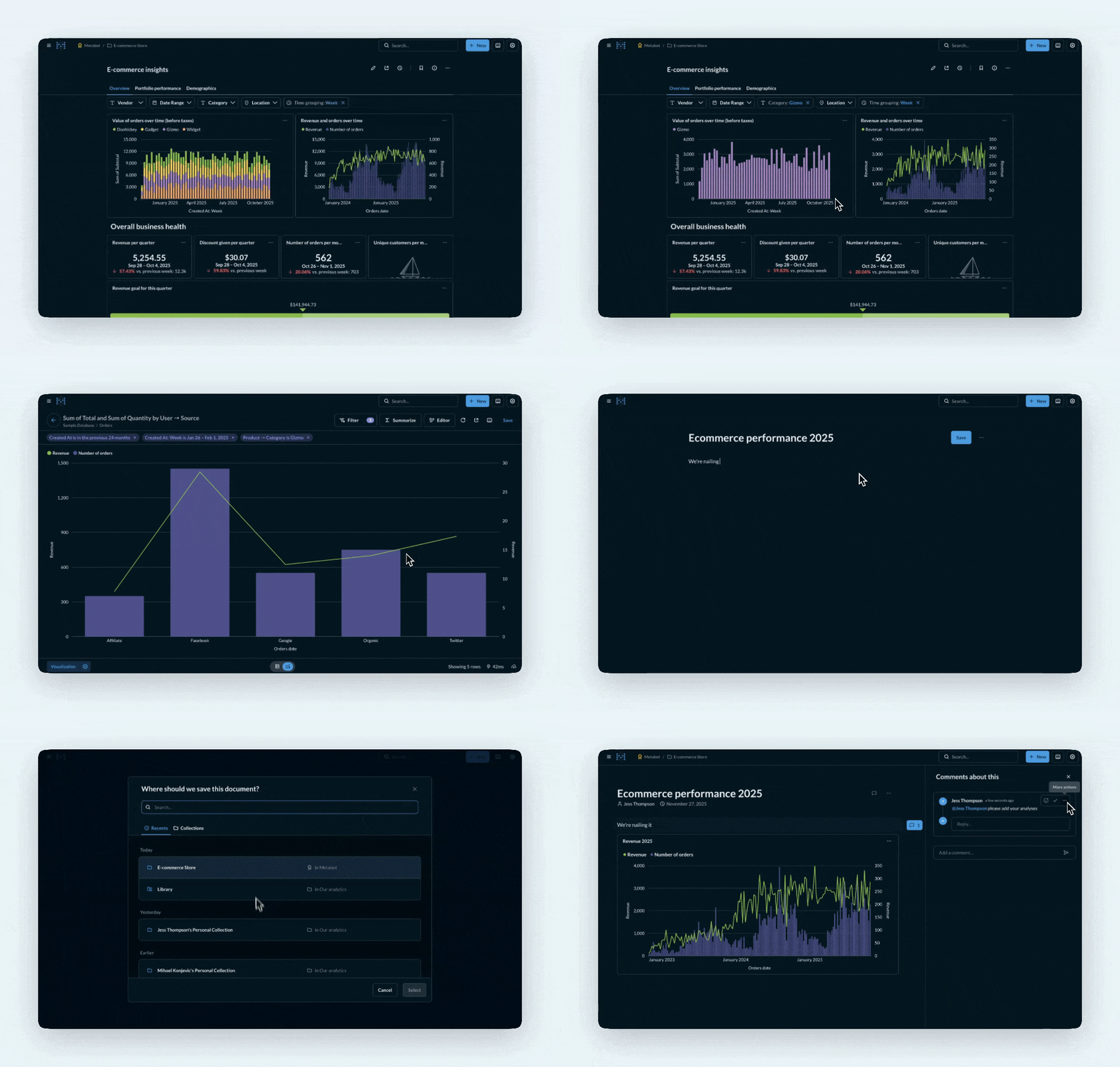
Straightforward tools for everyone to create, structure, and use dashboards and reports on their own.

Build dashboards from saved questions and filters to track fast-moving KPIs like ARR, MAU, and NPS in a layout anyone can read. Metabase includes no-configuration drill-through so people can explore categories, timelines, and details without setup, with optional custom click behaviors. Add Action buttons for simple CRUD operations.
Learn more about dashboards in Metabase.

Combine visualizations and write explanations around insights to provide context, and make decisions without another meeting. Get Metabot to create new visualizations or refine your analyses as you go. Collaborate asynchronously via comments - tag teammates to add charts, provide explanations, answer questions, or expand on the details.
Learn more about Documents in Metabase.

Share dashboards and Documents where people already work. Send direct links or PDF exports, embed them in your product or website, or schedule automated email and Slack updates - even for people without a Metabase login. Keep everyone aligned by delivering insights instead of making them hunt for them.
Learn more about sharing in Metabase.

Dashboards help teams make data-driven decisions by bringing key KPIs and metrics together in one place so you can see trends and changes at a glance. A well-designed dashboard gives immediate signal on what's working, what isn’t, and where you may need to step in or investigate further.
The best way to share a dashboard with non-technical teammates is to deliver it where they already work. Set up email or Slack subscriptions, share a direct link, export the dashboard as a PDF, or embed it in your intranet or product. These options make it easy for people to access insights without needing to log into Metabase.
Yes. Metabase Documents let you combine visualizations with written explanations so you can tell the story behind your data. This format helps you explain trends, add context, describe analysis steps, and make it easier for teams to understand and act on insights.
A dashboard gives a real-time overview of your KPIs and metrics in one place, making it easy to spot changes quickly and explore data with filters and drill-throughs. A data report, like a Metabase Document, is a point-in-time analysis with narrative context, explanations, and deeper insights. Dashboards show the what; reports explain the why.
Start by creating dashboards that highlight common questions and important metrics. Metabase includes built-in drill-throughs and filters, so teammates can explore data without setup. As people get familiar with the structure of your data, they can use Metabot or the query builder to ask their own questions and create dashboards and Documents to share with others.
You can automate dashboard sharing with scheduled email or Slack subscriptions on the cadence you choose. Dashboards update in real time and are designed to be checked regularly. Documents are more point-in-time, but you can still share them with PDF exports, public links, or by embedding them in your product or website.