




How do you build finance analytics in Metabase?
Finance analytics connects ledger, invoice, bank, spend, budget, and payment data into a shared decision layer. Metabase provides the questions, models, dashboards, subscriptions, and permissions; your database remains the governed system for transformations and history.
Start with reconciliation, not visualization. A beautiful cash
or margin chart is not useful if its grain, currency, period, or lifecycle differs
from the accounting source. Validate one closed period before scaling.
Which questions should finance analytics answer?
- How much cash is available, where is it held, and how long will it last?
- Which customers, invoices, or aging buckets drive collection risk?
- Where are actual revenue, margin, and expense diverging from the plan?
- Which vendors, departments, or categories drive spend growth?
- Which records are unposted, uncoded, unsettled, or unreconciled?
- How much currency exposure and cross-border fee risk do we carry?
How should finance dashboards differ by audience?
For: CFO and leadership
Company finance overview
Liquidity, performance, and the risks that need a decision.
- Cash and runway
- Revenue and gross margin
- Burn and operating expense
- Working capital and forecast
For: FP&A
Planning and variance
A repeatable explanation of plan versus actual performance.
- Budget vs. actuals
- Department variance
- Rolling forecast
- Scenario assumptions
For: Controller
Close and controls
Reconciliation, completeness, and accounting-period readiness.
- Unposted activity
- Bank reconciliation
- Intercompany exceptions
- Source-to-ledger checks
For: Finance operations
Collections, AP, and spend
Daily work queues with owners, age, and financial exposure.
- AR aging and collections
- Bills due
- Vendor spend
- Payment and settlement exceptions
What should the finance semantic layer contain?
- Conformed dimensions: legal entity, account, department, cost center, customer, vendor, product, currency, and fiscal period.
- Transaction facts: journal lines, invoices, payments, bills, bank movements, spend transactions, budgets, and FX rates.
- Lifecycle history: status changes, payment allocations, settlement links, clearing events, and reconciliation state.
- Reporting models: GL, open AR/AP, cash movements, spend, budget actuals, and payment settlement.
Which definitions need agreement first?
| Metric | Decision to document |
|---|---|
| Cash runway | cash included, burn window, and restricted cash treatment |
| AR aging | open amount, due-date basis, credits, and as-of snapshot |
| DSO | revenue basis, period length, and average vs. ending AR |
| Gross margin | revenue and cost-of-revenue account mapping |
| Budget variance | budget version, favorable sign, and dimensional grain |
| FX exposure | rate source, valuation timestamp, and netting policy |
What implementation workflow works?
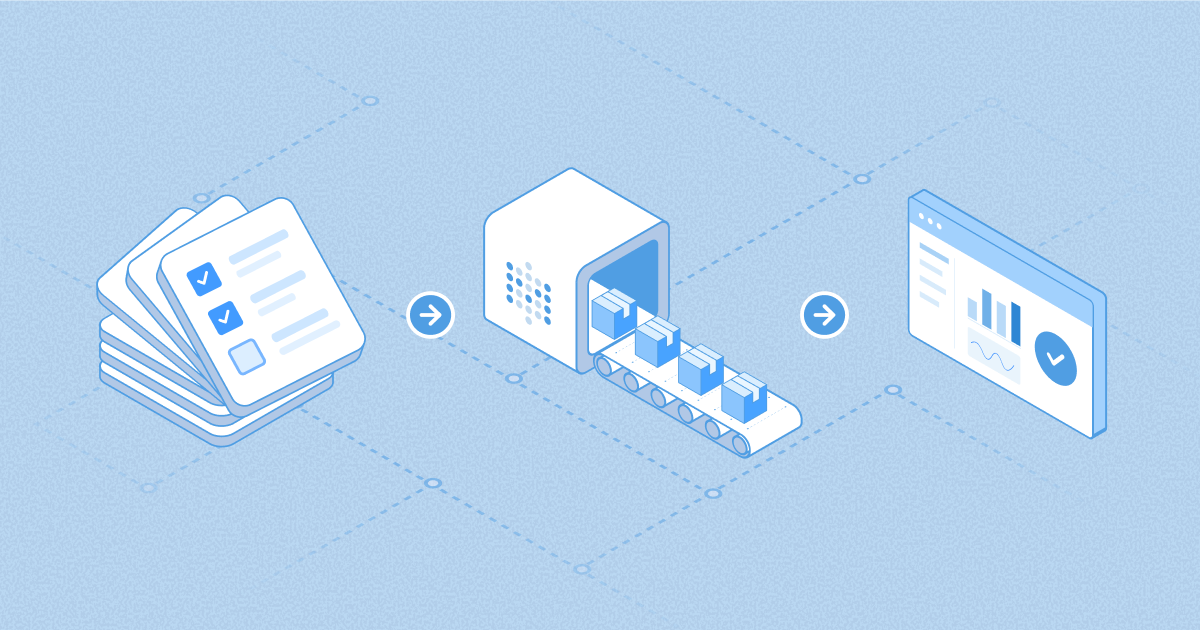
- Pick one decision and one reconciled source report.
- Land raw source data with stable IDs and extraction metadata.
- Build a modeled fact at the business grain the metric requires.
- Reconcile counts and amounts for a closed period.
- Create certified Metabase models and saved questions.
- Assemble dashboards with audience-specific density and permissions.
- Add freshness, completeness, and reconciliation monitors.
How do you govern finance analytics?
- Separate source credentials, transformation access, and dashboard access.
- Mask bank details, personal data, and sensitive vendor or employee fields.
- Document metric owner, query grain, refresh cadence, and source report.
- Label preliminary periods and never silently restate closed numbers.
- Alert on stale data, unexpected row-count changes, and reconciliation breaks.