




How do you analyze HR and recruiting data in Metabase?
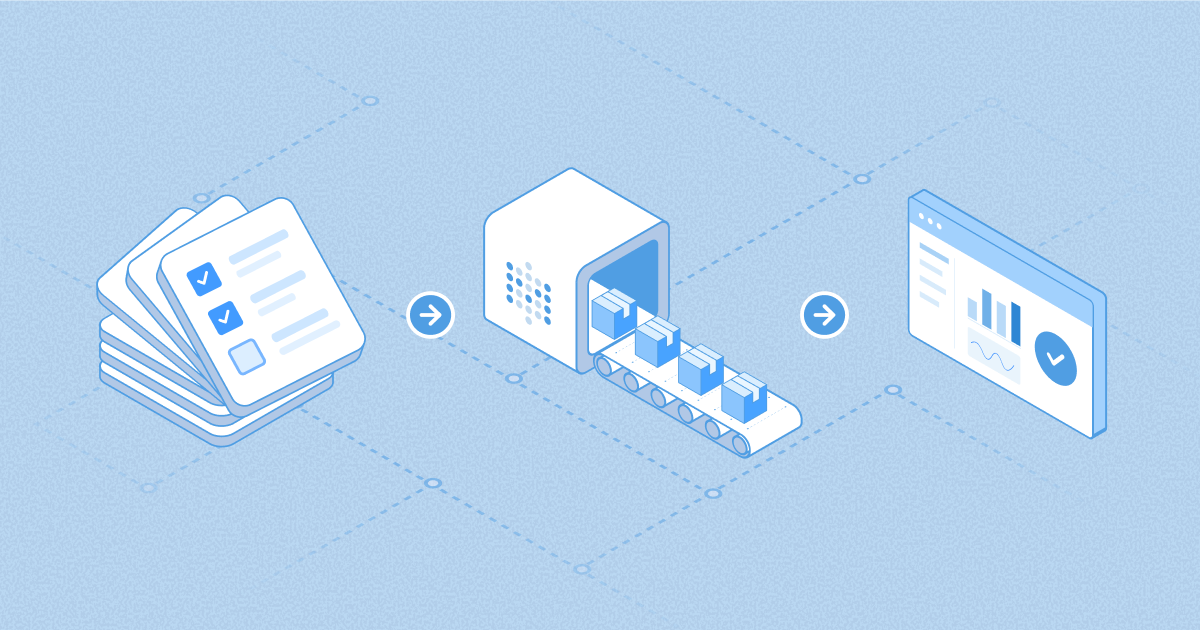
HR and recruiting tools hold the record of who you hire, where candidates come from, how roles move through the funnel, and how the workforce changes. To analyze them in Metabase, sync the tool into a database, model a small set of clean HR and recruiting tables, and build dashboards on top. Metabase has no native ATS or HRIS connector, so the sync comes first.
Which HR and recruiting tools does this cover?
This pattern applies to ATS and HRIS tools, including:
- 100Hires — candidates, jobs, applications, interviews, and AI-assisted recruiting workflows.
- Greenhouse — candidates, jobs, applications, interviews, scorecards, sources, and offers.
- Ashby — ATS, CRM, scheduling, jobs, applications, interviews, offers, and recruiting analytics.
- Workday — worker, organization, position, requisition, and recruiting data when enabled.
- BambooHR — employees, departments, locations, time off, job openings, and applications.
ATS tools answer recruiting funnel and hiring speed questions. HRIS tools answer headcount, workforce, position, time off, and org questions. The overlap is the hiring plan: requisitions, candidates, offers, starts, and the teams that own them.
What is the shared HR and recruiting data model?
Model raw connector or API data into durable reporting tables:
| Concept | Common terms | Used for |
|---|---|---|
| Candidate | Candidate, applicant, prospect | Funnel entry, source quality, interview process |
| Job / requisition | Job, opening, requisition, position | Time to fill, hiring plan, demand and capacity |
| Application | Application, candidacy | Candidate-role relationship and recruiting status |
| Stage event | Stage change, status history, disposition | Conversion, time in stage, funnel aging |
| Interview | Interview, scorecard, feedback | Interview throughput and pass-through |
| Offer | Offer, acceptance, start | Offer acceptance, starts, recruiting yield |
| Worker | Employee, contingent worker | Headcount, retention, org planning |
| Organization | Department, team, location, cost center | Segmentation and access control |
How do HR tools connect to Metabase?
- MCP route (AI-assisted) — use an approved MCP server for narrow, live lookups or a focused export, then load a snapshot with the Metabase CLI. This is best for exploration.
- Pipeline route (warehouse-backed) — sync the tool into a database with a managed connector, dlt, API job, report export, or Workday RaaS, then connect Metabase to that database. This is best for governed dashboards.
MCP catalogs already include servers for 100Hires, Greenhouse, Ashby, Workday, and BambooHR, but the security posture varies. Treat MCP as a controlled helper, not a replacement for a database-backed reporting pipeline.
What can you analyze across HR and recruiting tools?
- Hiring funnel — candidate volume, stage conversion, drop-off, and aging.
- Hiring speed — time to hire, time to fill, and time in stage.
- Offer health — offer volume, offer acceptance rate, declines, and starts.
- Source quality — high-quality applicants, interviews, offers, and hires by source.
- Workforce planning — headcount, open positions, hiring plan progress, and requisitions at risk.
Which dashboards should you build?
- Recruiting funnel dashboard — applications, conversion, drop-off, stage aging.
- Hiring plan dashboard — requisitions, starts, plan vs. actual, roles at risk.
- Source quality dashboard — qualified applicants, interviews, offers, accepted hires by source.
- People analytics dashboard — headcount, departments, locations, employment status, time off.
How should you handle privacy and permissions?
HR and recruiting data often includes sensitive candidate notes, employee records, compensation, demographic fields, and legally sensitive reasons for decisions. Build separate models for leadership summaries and operations detail. Use Metabase collections, groups, permissions, and sandboxes so broad audiences only see the fields and rows they need.