




How do you analyze sales and CRM data in Metabase?
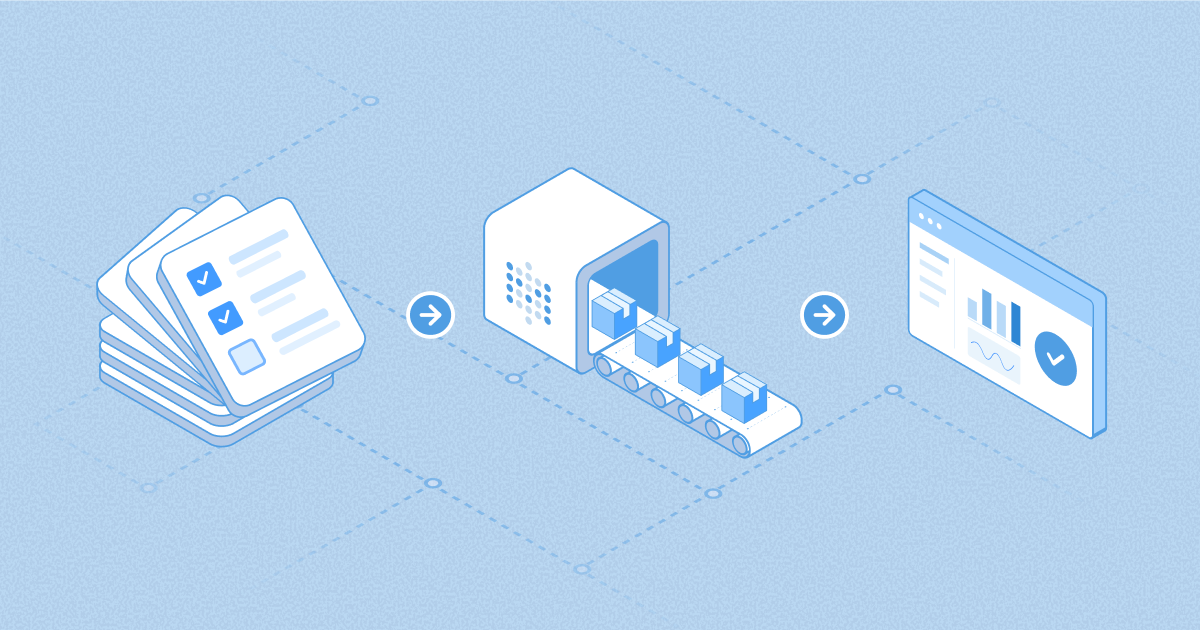
CRMs like HubSpot and Salesforce hold the record of every lead, deal, and stage change your sales team works. To analyze them in Metabase, you sync the tool into a database, map its objects to a shared sales model, and build dashboards on top. Metabase has no native connector for these tools, so the sync comes first.
Which tools does this cover?
This pattern applies to sales CRMs and pipeline tools, including:
- HubSpot — contacts, companies, deals, pipelines, and engagements
- Salesforce — leads, accounts, opportunities, stages, and activities
- Pipedrive — deals, stages, activities, and pipelines
- Attio — records, deals, lists, and a flexible data model
- Close — leads, opportunities, and built-in calling and email activity
- Zoho CRM — leads, deals, stages, and activities across multiple pipelines
- Microsoft Dynamics 365 Sales — Dataverse opportunities, stages, and activities
- Twenty — the open-source CRM you can query straight from PostgreSQL
HubSpot and Salesforce carry the richest object graphs — pipelines, stages, activities, and owners with field-level history — so model them deliberately and distinguish a current snapshot from stage-change history. Pipedrive, Attio, Close, Zoho CRM, and Dynamics 365 map onto the same core deal/stage/activity shape. Twenty is unusual: it's open source and backed by PostgreSQL, so self-hosters can point Metabase directly at a read replica with no sync step.
What is the shared sales data model?
Almost every CRM maps onto these entities. Model them as clean tables, not raw connector JSON:
| Concept | HubSpot term | Salesforce term | Used for |
|---|---|---|---|
| Lead / contact | Contact | Lead / Contact | Funnel entry, sourcing |
| Account | Company | Account | Segmentation, ABM |
| Deal / opportunity | Deal | Opportunity | Pipeline, win rate |
| Stage | Deal stage | Stage | Conversion, funnel |
| Stage change | Property history | Field history | Sales cycle, velocity |
| Activity | Engagement | Task / Event | Effort, engagement |
| Owner | Owner | Owner (User) | Attainment, workload |
The single most important field is a reliable stage-change history. With it you can compute true sales cycle length, stage-to-stage conversion, and velocity. Amounts and close dates are the usual traps: pick one currency and age past-due close dates before anyone trusts a forecast.
How do you connect a CRM to Metabase?
- MCP route (AI-assisted) — pair the tool's MCP server with the Metabase MCP server for fast, exploratory lookups. Treat it as exploratory, not governed reporting, and remember it creates no history.
- Pipeline route (warehouse-backed) — sync the tool into a database with a managed connector, dlt, or the API, then build durable pipeline, win-rate, and forecast dashboards.
See the per-tool setup on the HubSpot and Salesforce pages, or the sales analytics overview for the full pattern.
What can you analyze across CRMs?
- Pipeline — open value by stage, owner, and segment, plus coverage against target
- Win & conversion — win rate and stage-to-stage conversion
- Velocity — sales cycle length and time-in-stage
- Deal economics — average deal size and mix by segment
- Activity — calls, emails, and meetings by rep and account
Which dashboards should you build?
- Pipeline — open value by stage, owner, and segment, with coverage
- Forecast — weighted vs. unweighted pipeline and commit vs. best-case
- Win rate — won ÷ closed by cohort, segment, and source
- Sales activity — effort and coverage by rep and account
- Lead funnel — stage-to-stage conversion and drop-off
What about the rest of the sales stack?
The CRM is the system of record, but a full sales analysis usually pulls in the tools around it. Each of these follows the same pattern — sync to a database, model it, then join back to the CRM opportunity so the signals map to real pipeline.
- Prospecting & enrichment — Apollo, Clay, Findymail, and Tomba for list quality, match rates, and credits per usable contact.
- Sales engagement — Outreach and Mixmax for the outbound funnel, reply rate, and meetings booked.
- Revenue intelligence — Gong and Salesloft/Clari for call coverage, deal engagement, and forecast accuracy.