


The Challenge: Before Metabase, Chromatic’s product analytics lived in Google Data Studio. Restrictive permissions and a counter-intuitive UI created constant friction; even engineering leadership often gave up and wrote raw SQL in BigQuery just to get a basic table, leading to a siloed culture where data wasn’t easily shared.
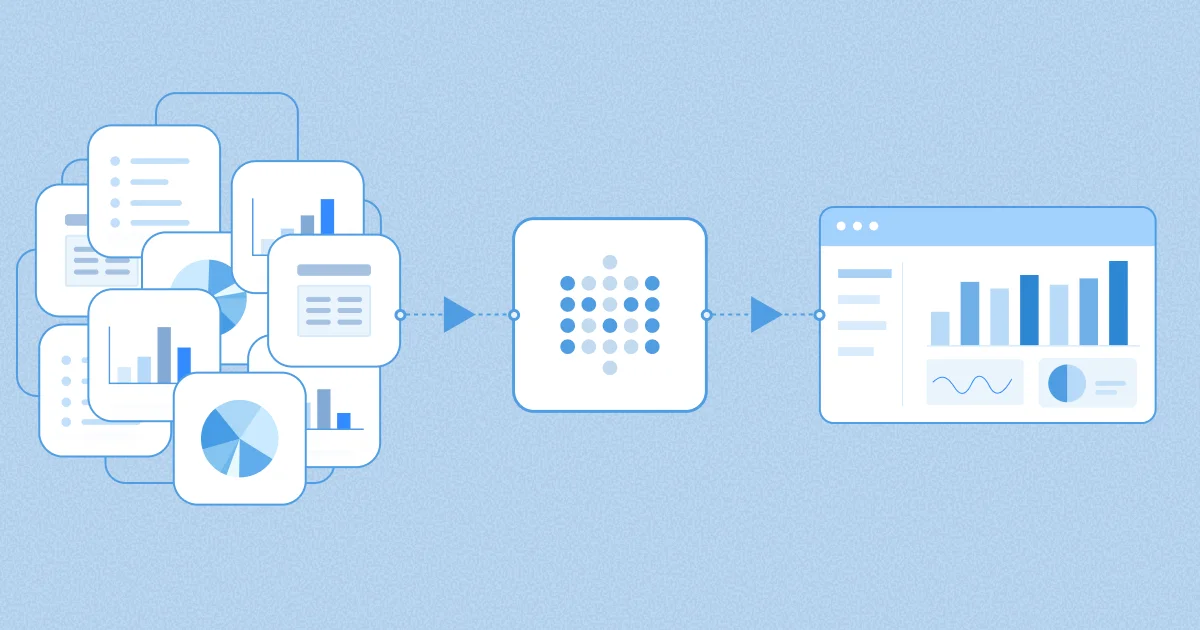
The Solution: Chromatic replaced their legacy setup with Metabase and chose a hosted plan to avoid self-hosting overhead. Metabase’s intuitive interface let both engineers and non-technical teammates explore data in a shared workspace without manual permissioning.
The Results: Metabase is now used by nearly everyone at Chromatic for product discovery and goal tracking. By lowering the bar with the graphical query builder, the team shifted from intuition to being data-driven—often uncovering customer trends that contradicted their initial expectations.
“Everybody that started using Metabase almost immediately said, ‘This is so much better than what we’ve had.’ It has really opened our eyes to alternate ways customers are thinking about things that we never expected.”
Why Metabase?
Chromatic needed a tool that matched their engineering-led culture of transparency. Their previous experience with Google Data Studio was defined by “permission exhaustion”—having to explicitly add users to every single chart or report.
They wanted a solution that was social by default. A product manager who had used Metabase previously suggested it, and after a quick trial, the team found it was exactly what they were looking for. The workspace feel of Metabase meant everyone could see what everyone else was working on, which naturally promoted data sharing across the org.
The data
Chromatic funnels all of their product and business data into BigQuery and Amazon Redshift. Their data includes:
- CI/CD timings: Performance data for visual regression tests running in the cloud.
- Open source insights: Usage stats for Storybook, the open-source framework they maintain.
- Business KPIs: Enterprise customer metrics and capacity planning.
To keep things running smoothly, Chromatic uses an ETL-first approach. When they need to join data across BigQuery and Redshift, they propagate the data upstream rather than trying to join databases inside the BI layer, keeping their Metabase questions fast and clean.
Expanding to Embedded Analytics
The Chromatic team is now moving beyond internal reporting by embedding Metabase directly into their platform. Historically, the Customer Success team would manually share data with clients via screenshots or screen-shares during meetings.
To bridge this gap, an engineering team is currently building out customer-facing dashboards. By embedding Metabase, Chromatic plans to give customers real-time, native access to their own analytics—such as build timings and testing trends—directly within the Chromatic interface, enabling self-service analytics without waiting for a manual report.
How the Chromatic team uses Metabase
At Chromatic, Metabase has a nearly 100% adoption rate with over 50 users.
- Goal setting: When the team sets quarterly goals, the key results are tied directly to Metabase charts.
- Product discovery: Product managers and engineers use the graphical query builder to slice and dice data to validate new features before building them.
- Embedded analytics: They are currently building out customer-facing analytics by embedding Metabase directly into the Chromatic app, so customers can see their own build timings and usage data.
The team keeps things organized by department-level collections, but since they value transparency, they don’t use restrictive permissions. Everyone has access to everything.
The Results
The biggest shift for Chromatic has been the death of the “data silo.” Instead of engineers pulling one-off SQL reports for other departments, everyone is now empowered to ask their own questions and explore data.
This self-service model has led to some major eye-opening moments. By experimenting with different visualizations in Metabase, the team discovered that their internal assumptions about how customers used their platform were often wrong. Having easy access to real-time data allowed them to pivot their strategy based on what the community was actually doing, rather than what they thought they were doing.